Global Safety Briefing
Manufacturing Safety Intelligence
Tuesday, 10 March 2026 Vol. 1, No. 1 Sponsored by IV Talent
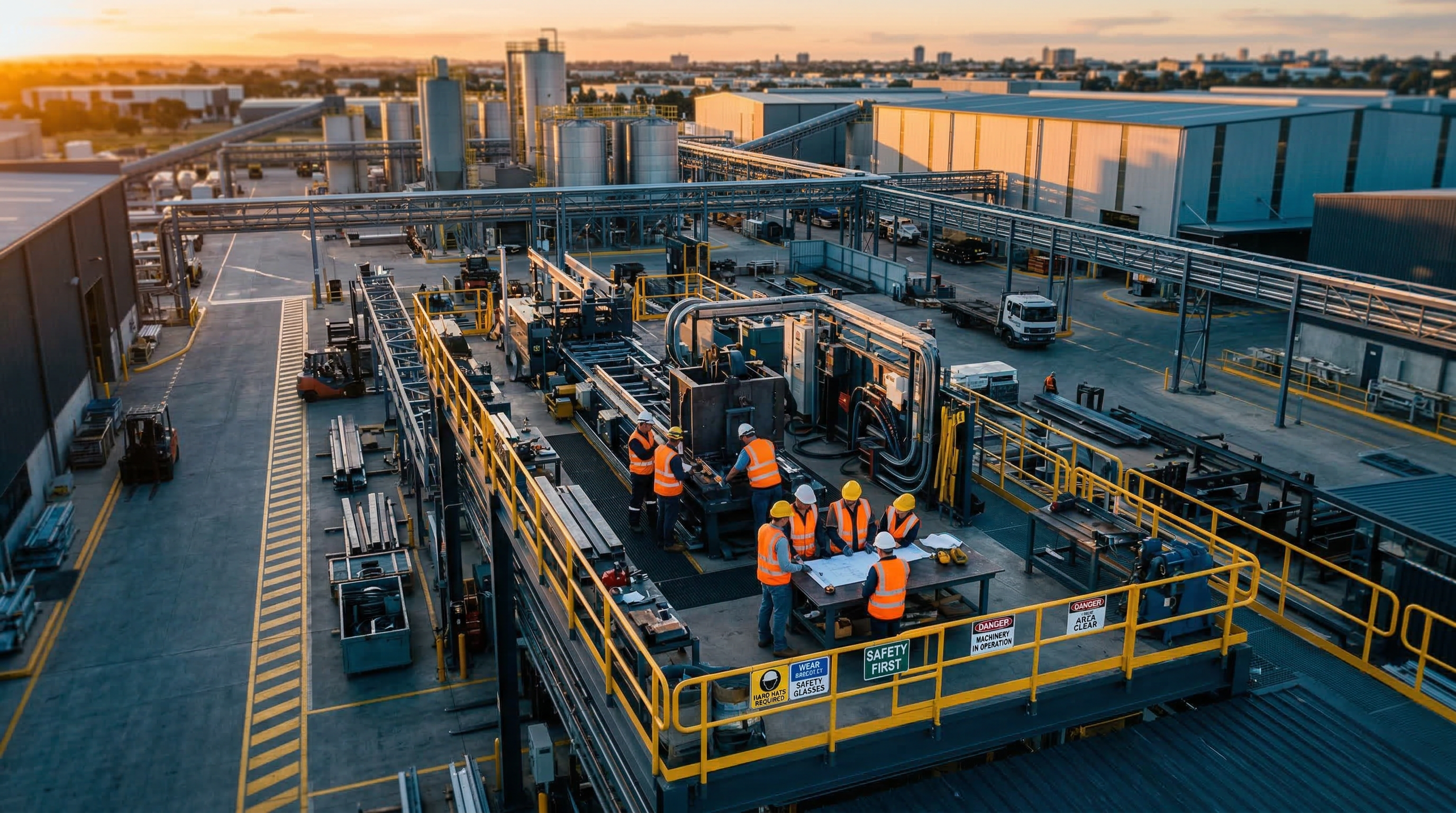
Manufacturing workers in safety equipment collaborating at an industrial facility at golden hour
Lead Story

Chemical Exposure Risks in Manufacturing Set to Surge 67% by Year End

New data reveals more than 1 billion workers globally face hazardous substance exposure annually, with petroleum, electronics, and plastics sectors reporting the highest levels. Regulatory bodies worldwide scramble to update frameworks.

Physical Safety

Protecting workers from hazards, accidents, and occupational injuries on manufacturing floors worldwide.

Mental Health

Whole-person safety: combating stigma, addressing stress, and building psychologically safe workplaces.

Health & Wellbeing

Long-term worker health: from chemical exposure prevention to ergonomics and occupational disease.

Sustainability

Environmental stewardship, clean manufacturing practices, and the transition to net-zero operations.

Today's Briefing


GS
Global Safety Briefing Editorial
Inaugural Edition • 10 March 2026

Welcome to the first edition of the Global Safety Briefing. We exist because every worker deserves to go home safe at the end of every shift — physically, mentally, and in a world that will sustain future generations.

Today we examine a troubling trend: chemical exposure risks in manufacturing are projected to surge 67% this year, even as the industry invests in new safety technologies. We also spotlight the growing movement for mental health parity on factory floors, new ESG compliance frameworks reshaping how manufacturers operate, and the explosion at a New Jersey industrial park that injured four workers last week.

Our mission is clear: to be the daily intelligence source that safety leaders, EHS professionals, and manufacturing executives rely on to protect their people and their planet.

Chemical Exposure: The Growing Crisis


Physical Safety & Health

Global Workplace Chemical Risks Estimated to Rise 67% as Regulatory Frameworks Struggle to Keep Pace

Workplace safety data for 2026 reveals that chemical exposure remains one of the most persistent and dangerous risks in global manufacturing. The International Labour Organization reports more than 1 billion workers are exposed to hazardous substances annually, with approximately 1 million deaths linked to chemical exposures and related diseases each year.

Industries including petroleum, electronics, and plastics manufacturing report the highest exposure levels. Long-term data from the World Health Organization shows hazardous chemical-related deaths rose 29% between 2016 and 2019 — extending this trajectory suggests a 67% increase in exposure risks by the end of 2026.

The Most Dangerous Chemicals in Modern Manufacturing

Benzene, formaldehyde, and lead remain the three most cited substances in OSHA enforcement actions against manufacturers. Benzene exposure — prevalent in petroleum refining, rubber manufacturing, and chemical production — is linked to leukaemia and other blood cancers. The CDC estimates that approximately 2 million American workers are routinely exposed to benzene at levels above recommended thresholds.

Formaldehyde, used extensively in plastics, textiles, and wood product manufacturing, was reclassified as a Group 1 carcinogen by the International Agency for Research on Cancer. Despite this, exposure limits in many jurisdictions have not been updated in over a decade. Lead exposure continues to affect workers in battery manufacturing, electronics recycling, and metal smelting operations, with the WHO reporting that occupational lead exposure accounts for 26% of all adult lead poisoning cases globally.

Inhalation Risks: The Invisible Threat

CDC data shows that inhalation remains the primary route of chemical exposure in manufacturing environments, accounting for roughly 70% of occupational chemical injuries. Fine particulates, volatile organic compounds, and metal fumes create invisible hazards that are often underestimated by both workers and management. The problem is compounded in facilities with inadequate ventilation or ageing HVAC systems — a condition the National Safety Council estimates affects nearly 40% of manufacturing facilities built before 2000.

Respirable crystalline silica, a byproduct of cutting, grinding, and drilling stone, concrete, and certain metals, has emerged as a particular concern. OSHA’s silica standard, updated in 2016, reduced permissible exposure limits by half, yet enforcement data suggests that one in four inspected manufacturing facilities still exceeds the new threshold.

Regulatory Reform on the Horizon

Despite regulatory frameworks like the Toxic Substances Control Act, industry leaders at the American Chemistry Council’s GlobalChem conference expressed frustration with the pace of chemical safety reviews. The EPA currently has a backlog of over 700 chemicals awaiting risk evaluation. The Senate Environment and Public Works Committee is expected to hear a draft TSCA Fee Reauthorisation and Improvement Act tomorrow, which could accelerate the review process and increase manufacturer reporting obligations.

In Europe, REACH regulation updates are pushing manufacturers toward full lifecycle chemical accounting, while China’s revised Measures on Environmental Management of New Chemical Substances now require pre-manufacture notification for any substance not on the existing inventory of 45,000 chemicals.

Sources: ILO, WHO, CDC, SDS Manager, Manufacturing Dive, EPA, American Chemistry Council

“Workers need quick access to documents that clearly explain the hazards and how to protect themselves. Handing out hazard information alone isn’t enough.”

— SDS Manager Global Workplace Safety Report, March 2026

Incidents & Enforcement


Physical Safety

New Jersey Industrial Park Explosion Injures Four Workers

An industrial facility in Logan Township, New Jersey exploded on March 4, with intense fire following the blast. Four workers were seriously injured and hospitalized. Separately, an explosion at the Diecastal North America manufacturing plant in Greenville, Michigan also injured workers the same day.

Multiple sources 4 Mar 2026
Physical Safety

OSHA Cites Georgia Manufacturer for Silica Exposure Violations

U.S. Department of Labor safety inspectors determined that Brazilian Stone Design LLC exposed workers at its Powder Springs facility to respirable crystalline silica above permissible limits. Silica dust is a leading cause of occupational lung disease in manufacturing and construction.

OSHA March 2026
Physical Safety

Worker Drowns in Georgia: Two Companies Cited

The U.S. Department of Labor issued over $900,000 in penalties to two companies after a worker drowned in a Georgia river. A Florida painting contractor was cited for willfully exposing workers to fall and drowning hazards. The case underscores persistent failures in water-adjacent construction safety.

OSHA March 2026
Safety Technology

Emerging Safety Technologies: 83% of Workers Open to Adoption

The National Safety Council's Work to Zero report finds that 83% of employees are open to trying new safety technologies. From AI-powered hazard detection to wearable sensors and predictive analytics, the technology landscape for workplace safety is rapidly evolving in 2026.

NSC Feb 2026
Physical Safety

Human Behaviour Still Drives 96% of Workplace Accidents

Despite improved regulations and smarter equipment, research confirms that 80–90% of serious workplace injuries trace back to human error. Workers make decisions shaped by deadlines, fatigue, supervision quality, and organisational culture — not carelessness.

OH&S Online Jan 2026
Regulatory

2.6 Million U.S. Workers Projected to Suffer Serious Injuries in 2026

Analysis of workplace safety trends projects approximately 2.6 million American workers will be injured seriously enough to miss work or require medical treatment in 2026. Manufacturing holds the highest recordable injury and illness rate per 10,000 workers across all industries.

Helbock Law / NSC Feb 2026

Whole-Person Safety


Mental Health

The Factory Floor's Hidden Crisis: Why Mental Health Is Now a Safety Imperative

The manufacturing industry ranks as one of the unhealthiest for workplace mental health, with turnover rates 33% higher than the national average. Shift work, physical demands, and workplace stigma create challenges that directly impact safety and daily operations. Research from Purdue University’s Centre for Regional Development found that manufacturing workers are 34% more likely to report symptoms of depression than workers in other sectors, yet only 18% of manufacturing employers offer dedicated mental health programmes.

Pioneers on the Factory Floor

Two leading manufacturers — Daimler Truck North America and Nucor Corporation — are pioneering Mental Health First Aid programmes on the factory floor. After two deaths by suicide at DTNA’s Detroit branch, leadership invested in mental health training that has since spread company-wide. Every shift supervisor is now certified as a Mental Health First Aider. Nucor has trained over 1,400 employees across 26 facilities, reporting a 22% reduction in absenteeism and a measurable improvement in near-miss reporting rates.

The approach is straightforward but culturally significant in an industry where “toughness” has traditionally been valued above vulnerability. Workers are trained to recognise warning signs in colleagues — withdrawal, irritability, increased risk-taking — and to initiate supportive conversations rather than waiting for a crisis.

The Rise of Virtual Mental Health Support

Telehealth and virtual Employee Assistance Programmes have seen a dramatic increase in manufacturing settings. Data from Curalinc Healthcare shows that virtual mental health consultations among manufacturing workers increased 280% between 2023 and 2025, driven by the accessibility of smartphone-based platforms that workers can use during breaks or after shifts without visiting a clinic.

Johns Hopkins University recently hosted a frontier conference on emerging psychological hazards in the workplace, underscoring that “psychological safety is safety” — directly affecting whether people speak up about physical risks. When workers fear ridicule or retaliation for reporting hazards, incident rates climb. The conference presented data from 14 manufacturing sites showing that facilities with formal psychological safety programmes had 41% fewer recordable injuries than comparable facilities without them.

Shift Work and Sleep: The Underreported Link

Rotating shift patterns, endemic in manufacturing, are increasingly recognised as a root cause of both mental health deterioration and physical safety incidents. A 2025 meta-analysis published in the Journal of Occupational Health Psychology found that workers on rotating night shifts had a 47% higher risk of anxiety disorders and a 62% higher rate of safety incidents compared to fixed-schedule workers. Progressive manufacturers are now experimenting with forward-rotating schedules and minimum 48-hour recovery windows between shift changes.

Sources: Mental Health First Aid, Johns Hopkins, Curalinc Healthcare, Purdue University, Journal of Occupational Health Psychology

“If you’re not on your best game, you’re putting yourself and your peers at risk. We want to make sure our leaders are equipped to recognise stress and anxiety.”

— Kenny Frye, Nucor Corporation, on whole-person safety
Mental Health

The Rise of Virtual Mental Health Support in Manufacturing

Virtual mental health consultations among manufacturing workers increased 280% between 2023 and 2025, driven by smartphone-based platforms accessible during breaks and after shifts.

Dr. Kenji Tanaka 6 min read
Mental Health

Psychological Safety on the Factory Floor: The Missing Link in Incident Prevention

Data from 14 manufacturing sites shows facilities with formal psychological safety programmes had 41% fewer recordable injuries than comparable facilities without them.

Dr. Kenji Tanaka 7 min read

Green Manufacturing


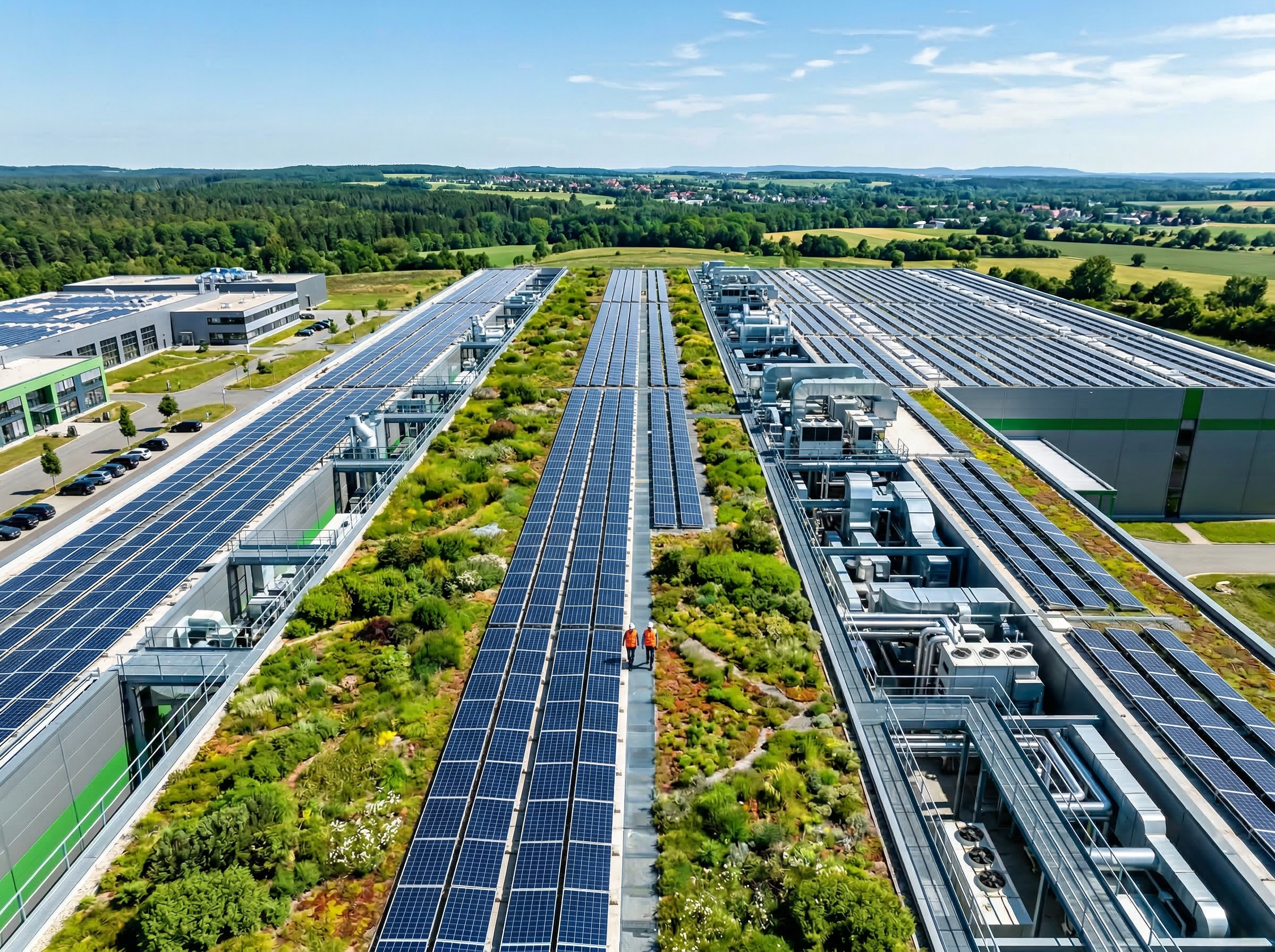
Manufacturing facility with solar panels and green vegetation on rooftop
Sustainability

Manufacturing ESG Strategy 2026: From Voluntary Reporting to Autonomous Sustainability

Global manufacturers transition from manual ESG reporting to autonomous sustainability systems, driven by CSRD and ISSB standards requiring real-time IoT data throughout the product lifecycle.

IIoT World, Inogen Alliance Elena Vasquez • 8 min read
Sustainability

The Race to Net-Zero: How Manufacturers Are Decarbonising Operations

From renewable energy adoption to Scope 1–3 emissions tracking, manufacturers are investing in decarbonisation at unprecedented scale as regulatory deadlines approach.

Multiple sources Elena Vasquez • 7 min read
Sustainability

Cybersecurity as an ESG Imperative: Protecting Operational Technology

Fortinet research reveals that cyber-physical attacks on manufacturing OT systems pose direct environmental and safety risks, making cybersecurity a governance requirement.

Fortinet, IIoT World Elena Vasquez • 7 min read

Data Dashboard


1B+
Workers exposed to hazardous substances annually
↑ Rising
67%
Projected rise in chemical exposure risks by 2026
↑ Critical
2.6M
U.S. workers projected to suffer serious injuries
→ Persistent
96%
Workplace accidents linked to human behaviour
→ Unchanged
83%
Workers open to new safety technologies
↑ Positive
$2.05B
Industrial safety market forecast by 2031
↑ Growing
33%
Higher turnover in manufacturing vs. national average
↑ Concerning
20%+
Energy reduction via IoT-based safety systems
↓ Improving

Sources: ILO, WHO, NSC, SDS Manager, Verified Market Research, Mental Health First Aid, IIoT World

Global Safety Spotlight

Safety intelligence from eight regions covering regulatory shifts, enforcement actions, and emerging risks across the world’s manufacturing corridors.


🇪🇺

European Union

Regulatory Shift
Dec 2026 Product Liability Directive transposition deadline

The EU is transitioning from the Machinery Directive to the new Machinery Regulation, requiring safety to be embedded at the design stage rather than retrofitted. CSRD reporting is forcing manufacturers to adopt automated sustainability compliance platforms. The new Product Liability Directive, covering digital and hybrid products, must be transposed by December 2026. EU-OSHA reports a decisive shift from reactive compliance to predictive safety models, driven by Industry 4.0 sensor technology and AI-based risk detection.

  • Machinery Regulation replaces Directive — uniform rules across all 27 states
  • Carbon Border Adjustment Mechanism driving demand for low-carbon machine tools
  • Predictive safety and digital twin adoption accelerating across manufacturing
EU-OSHA, European Commission, Duroshox, Reed Smith
🇬🇧

United Kingdom

Enforcement Up
96% HSE prosecution conviction rate

The Health and Safety Executive completed 246 criminal prosecutions in 2024/25 with a 96% conviction rate, securing fines exceeding £33 million. Over 13,200 inspections were conducted including 7,000+ focused specifically on work-related health risks. HSE has signalled a strategic pivot: mental health, stress, and psychosocial risks are now central enforcement priorities alongside traditional physical hazards. For the first time, HSE ran a campaign targeting violence and aggression in the workplace as a recognised safety hazard.

  • £33M+ in fines across 246 prosecutions — zero tolerance for systemic failures
  • Asbestos regulation reform consultation advancing through 2025/26
  • Musculoskeletal disorders and stress now inspected alongside physical hazards
HSE, DAC Beachcroft, GOV.UK
🇮🇳

India

Critical Gap
4.2% GDP lost to workplace injuries annually

India faces a deepening safety paradox: automation and output have surged post-pandemic, yet serious shop-floor injuries have barely declined. The Safe in India Foundation’s CRUSHED 2025 report documents more than 8,500 workers suffering serious injuries in the automotive sector alone. The Economic Survey 2024–25 estimates annual productivity losses of nearly ₹12.5 lakh crore (4.2% of GDP) from workplace accidents. Iron and steel workers report a 28% accident rate over 12-month periods, and 22,000 fatalities were recorded between 2019–2025.

  • 8,500+ serious injuries in automotive sector despite rising automation
  • Economic Survey links workplace safety directly to industrial competitiveness
  • ESG benchmarks from international buyers creating new compliance pressure
Safe in India Foundation, Economic Survey 2024-25, Express Computer
🇸🇦

Middle East

New Regulation
3 Jul 2026 Saudi high-risk work regulation takes effect

Saudi Arabia’s Regulation on Organising Work in High-Risk Professions takes effect 3 July 2026, requiring mandatory licensing, medical fitness examinations, and competency standards for workers in construction, welding, confined spaces, and chemical handling. The UAE has enacted pioneering digital safety laws, while Jordan has ended its GHS transition period — all chemical products must now feature bilingual hazard labelling. Israel is aligning with EU REACH chemical restrictions, effective August 2026. More than 20 new industrial security initiatives were unveiled by Saudi Arabia’s Interior Ministry.

  • Saudi regulation mandates licensing for all high-risk occupational roles
  • Jordan now requires full GHS-compliant bilingual chemical labelling
  • Turkey tightening TAREKS import registration for toys and machinery
Pinsent Masons, Compliance & Risks, Lexis Middle East
🇦🇺

Australia & Oceania

WHS Reform
1 Dec 2026 New Workplace Exposure Limits take effect

Australia is overhauling its Workplace Exposure Standards, renaming them Workplace Exposure Limits (WEL) from 1 December 2026 to align with international terminology and make clear these are hard limits. Engineered stone benchtops, panels, and slabs have been banned from import since 1 January 2025 following silicosis deaths. New legislation will also require employers to manage psychosocial risks — including those created by digital work systems and AI — through formal risk management processes. The AIHS National Conference convenes in Adelaide in June 2026.

  • Engineered stone import ban now enforced at the border since Jan 2025
  • Psychosocial risk management now mandatory under WHS Regulations
  • Digital work systems bill expands employer duties to cover AI-related harms
Safe Work Australia, Mondaq, AIHS
🇧🇷

Latin America

Chemical Inventories
4,500+ Chemicals registered in Colombia’s first inventory

Latin America is rapidly building its chemical safety infrastructure. Brazil enacted Law 15.022/2024, establishing mandatory chemical registration for substances produced at 1+ tonne per year. Colombia published its first national chemical inventory in November 2025 with 4,500+ registered hazardous substances. Chile published its first inventory of 850 industrial-use substances, meaning any unlisted chemical is now classified as “new” and requires pre-market notification. El Salvador adopted GHS 6th edition labelling with a three-year compliance window. Peru and Mexico are also developing formal chemical governance frameworks.

  • Brazil, Colombia, Chile now operational — three active chemical inventory systems
  • El Salvador adopted GHS labelling; compliance deadline February 2028
  • Mexico nearshoring boom driving tighter environmental and safety scrutiny
Knoell, IVEMSA, ICIS
🇿🇦

Africa

Emerging Standards
10,500+ Delegates at Mining Indaba 2026

South Africa’s mining sector has made significant safety improvements over the past decade through better equipment, improved frameworks, and intelligent safety systems — but the transition from fragmented controls to integrated digital monitoring remains the central challenge. Mining Indaba 2026 convened 10,500+ delegates including senior executives and government leaders. African manufacturers are facing rising expectations for fire safety, equipment compliance, and operational reliability as global supply chains demand higher safety standards from the continent’s extractive and heavy industrial sectors.

  • Mining safety improving but intelligent system integration still the key gap
  • Equipment must now meet higher ignition, fire, and compliance standards
  • African-rooted solutions providers gaining ground over external consultancies
Mining Weekly, African Mining News, Mining Safety SA
🇻🇳

Southeast Asia

Investment Surge
$42.2B Thailand FDI applications in 9 months (2025)

ASEAN is entering 2026 as the world’s fastest-growing manufacturing corridor. Thailand recorded a historic $42.2 billion in FDI applications in nine months — a 94% year-over-year increase. Vietnam’s electronics exports reached $164.4 billion in 2025. But rapid scale brings safety risk: 82% of manufacturers report unplanned downtime costing up to $260,000 per hour. The China Plus One strategy is driving demand for ISO-compliant cleanroom standards, semiconductor safety protocols, and AI-powered predictive maintenance. Vietnam launched its Emissions Trading System in January 2026.

  • 82% of ASEAN manufacturers experienced unplanned downtime in past 3 years
  • Semiconductor “Silicon Belt” forming across northern Vietnam
  • EU Carbon Border Adjustment Mechanism driving low-carbon machine tool demand
AMT, Oracle ASEAN, Consultancy Asia, ADB

Policy & Compliance


Regulatory

TSCA Reform 2026: Senate Moves to Accelerate Chemical Safety Reviews

The EPA has a backlog of over 700 chemicals awaiting risk evaluation. A new Senate bill could transform chemical safety oversight and increase manufacturer reporting obligations significantly.

EPA, Senate EPW Committee Sarah Blackwood • 8 min read

What to Watch


Mar 11
U.S. Senate TSCA Reform Hearing
Senate Environment and Public Works Committee discusses draft TSCA Fee Reauthorisation and Improvement Act of 2026.
Mar 25–26
Sustainability Week Asia — Bangkok
1,000+ leaders gather to accelerate the transition to net zero across Asia-Pacific manufacturing.
May 27–28
EHS Congress 2026 — Berlin
Premier European event for Environment, Health, and Safety professionals with sessions on emerging regulations and technologies.
Sep 22
Virginia EHS Conference & Expo
VMA's signature event covering VOSH regulatory priorities, robot safety, heat illness prevention, and THC impairment protocols.

The Editorial Team


Sarah Blackwood

Sarah Blackwood

Editor-in-Chief

Former senior editor at Manufacturing Dive with 15 years covering industrial safety policy across four continents. Sarah leads editorial strategy and ensures every story serves the people who keep factory floors safe.

Marcus Chen

Marcus Chen

Safety Correspondent

Award-winning investigative journalist specialising in workplace incidents, OSHA enforcement, and chemical safety. Marcus has reported from manufacturing facilities in 22 countries and holds a Master’s in Occupational Health from Columbia.

Elena Vasquez

Elena Vasquez

Sustainability Editor

Environmental engineer turned journalist, Elena tracks ESG regulation, clean manufacturing practices, and the net-zero transition. Previously led sustainability reporting at Inogen Alliance and contributed to the UN Global Compact.

Dr. Kenji Tanaka

Dr. Kenji Tanaka

Mental Health Editor

Clinical psychologist and occupational health researcher with a focus on psychological safety in high-risk industries. Kenji advises three Fortune 500 manufacturers on mental health strategy and publishes regularly in the Journal of Occupational Health Psychology.

All Articles